

How to Shave Properly: 12 Steps to a Close Shave Without Irritation
To shave properly without irritation: warm, clean skin, a fresh blade, a real lather you let sit, short strokes with the grain and no pressure, a cold water rinse and an alcohol free balm. All of it in 12 steps, ten minutes in the morning.
Razor burn, little bumps, skin that feels tight until the evening: nearly every time, it is not that the skin is fragile, it is that the method is wrong. A clean shave rests on three things: prepare the skin, never force the blade, and calm the skin afterwards. Here is the full method, valid with a safety razor, a straight razor, a cartridge razor or a finishing trimmer. Three accessories come from us, the rest needs nothing more than a little patience.
01Prepare the skin with heat
The best time to shave is right after a shower. Hot water softens the hair and opens the pores, so the blade glides instead of tugging. No time for a shower? A towel soaked in hot water, wrung out and laid on the face for two minutes does the same job. It is the barber's move, and it is not there for decoration.
02Cleanse, and exfoliate once or twice a week
Wash your face with a gentle cleanser to remove the oil and dirt that clog the blade. Once or twice a week, add a light scrub: it removes the dead skin that traps hairs and causes ingrown ones. Not every day, skin does not like being rubbed constantly.
03Choose the right razor for your skin

A multi blade cartridge razor drags three to five blades over the same spot on every stroke, and that is often the cause of irritation. A safety razor has one blade: less aggression, a close shave, and blades that cost a few cents. Ours has an olive wood handle, engraved by hand in our workshop in France, at 89.99 €. The straight razor (49.99 €) is the most precise option, but it takes practice. For sensitive skin, the safety razor is the best compromise.
04Fit a fresh, clean blade
A dull blade pulls the hair instead of cutting it, and that is where the skin turns red. With a safety razor, change the blade every five to seven shaves. With a cartridge, as soon as it catches. Rinse the blade in hot water between strokes so it does not clog. A blade that glides with no effort is a blade that is still good.
05Build a real lather
Canned foam does the bare minimum. A shaving soap or cream whipped with a brush in a bowl gives a dense lather that lifts the hair and protects the skin. The brush also exfoliates lightly and stands up flattened hairs. Allow one minute to build the lather, it is the best spent minute of the whole shave.
06Let the lather sit for one to two minutes
Apply the lather, then wait. The hair keeps absorbing water and softening, the skin relaxes. Use the time to prepare the razor and check the light. If the lather dries on one area, add a little more before the blade touches it, you never shave dry.
07Shave with the grain, without pressing
First pass always in the direction of growth. Hair does not grow the same way everywhere: downward on the cheeks, often in a swirl on the neck. Run your hand over dry skin the day before to map the directions. Hold the razor at about 30 degrees, make short strokes of three to four centimetres, and let the weight of the razor do the work. Pressing has never given a closer shave, it has only cut skin.
08A second pass across the grain, not against it
For a closer shave, re lather and make a second pass perpendicular to the grain. The pass against the grain feels very smooth at the time, but it is the first cause of ingrown hairs and bumps on the neck. Keep it for skin that tolerates it well, and never on the neck if you get redness.
09Trace clean edges

If you keep a beard or a goatee, shaving is mostly about drawing the limits: cheek line, neckline, moustache edge. Freehand, the line is rarely straight twice in a row. The shaving guide (19.99 €) rests against the cheek and gives a symmetrical reference for the blade or the trimmer. For the neckline, the rule is the same as for trimming: two fingers above the Adam's apple. We covered that in detail in how to trim your beard at home.
10Rinse with cold water and pat dry
Once done, rinse your face with cold water. The pores tighten, the small redness calms down. Dry by patting with a clean towel, never rubbing, the skin has just been planed and does not need one more hit.
11Soothe and moisturise, alcohol free
An aftershave that stings is not a sign that it works, it is a sign that it contains alcohol, and alcohol dries the skin. Choose an alcohol free aftershave balm or cream, or a simple moisturiser. A hazelnut sized amount, massaged gently. If you have a nick, an alum block stops the bleeding in seconds.
12Clean the sink and dry the razor

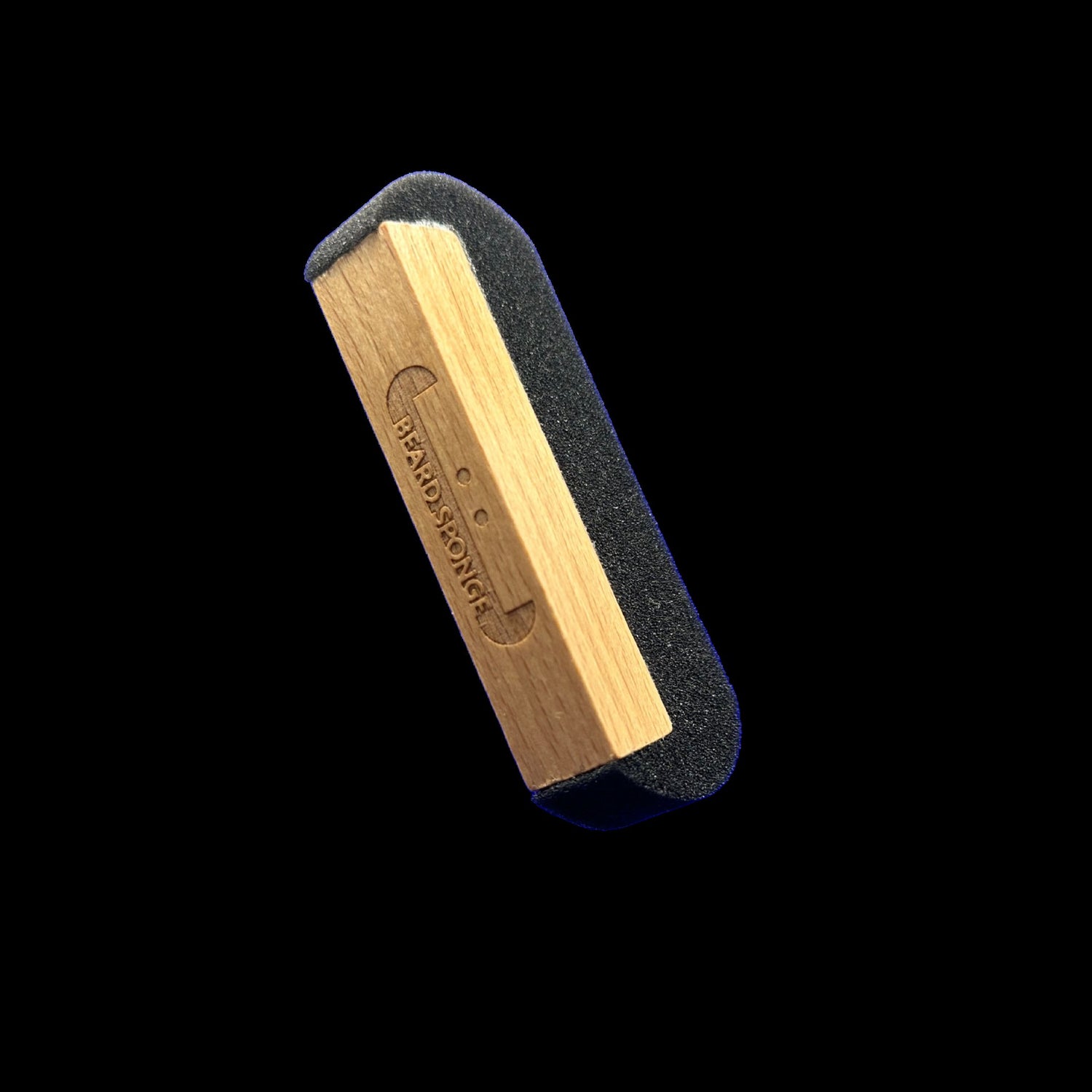
A clean shave ends with a clean sink. Short hairs cling to the ceramic and a splash of water spreads them more than it removes them. The Beard Sponge (9.99 €) picks them up in one pass, rinses out and lasts for months. Then rinse the razor, shake it and let it air dry, head up, never in a puddle. A blade that dries well lasts twice as long, and a wooden handle that does not soak keeps its engraving and its colour.
How to choose your razor
Skin that reddens easily, bumps on the neck, a blade budget that keeps growing: switch to a safety razor, one blade, less irritation, and blades for a few cents. Want the traditional gesture and the most precise shave: the straight razor, with a little weekend practice. You keep the beard and only shave the edges: the shaving guide and a trimmer are enough. In every case, the method matters more than the tool, so start with the preparation and the lather.
See the safety razorFrequently asked questions
Should you shave with the grain or against it?
With the grain for the first pass, across it for the second. Shaving against the grain gives a closer shave but causes ingrown hairs and redness, especially on the neck. Avoid it on sensitive skin.
How often should you change the blade?
With a safety razor, every five to seven shaves. With a cartridge, as soon as the blade catches or pulls. A dull blade is the first cause of razor burn.
Safety razor or straight razor for a beginner?
The safety razor. One blade, an easy grip, a close shave from the first week. The straight razor is more precise but needs practice and regular honing.
How do you avoid bumps and ingrown hairs after shaving?
Warm, clean skin, a fresh blade, lather that sits, strokes with the grain and no pressure, a cold rinse and an alcohol free balm. A gentle scrub once or twice a week also helps.
Should you shave every day?
Only if your skin can take it. Many men have better skin shaving every other day. The most important thing is never to shave skin that is already irritated.